The Chamber of Agriculture of the Republic of Lithuania (ŽŪR) was represented at the international conference by Monika Sadauskaitė Pocė, President of the Lithuanian Countryside Tourism Association, and Jonas Ivanauskas, a Board Member of the Lithuanian Young Farmers and Youth Union (LJŪJS). They participated in discussions, shared Lithuania’s experience and established connections with representatives of agricultural communities from other European countries.
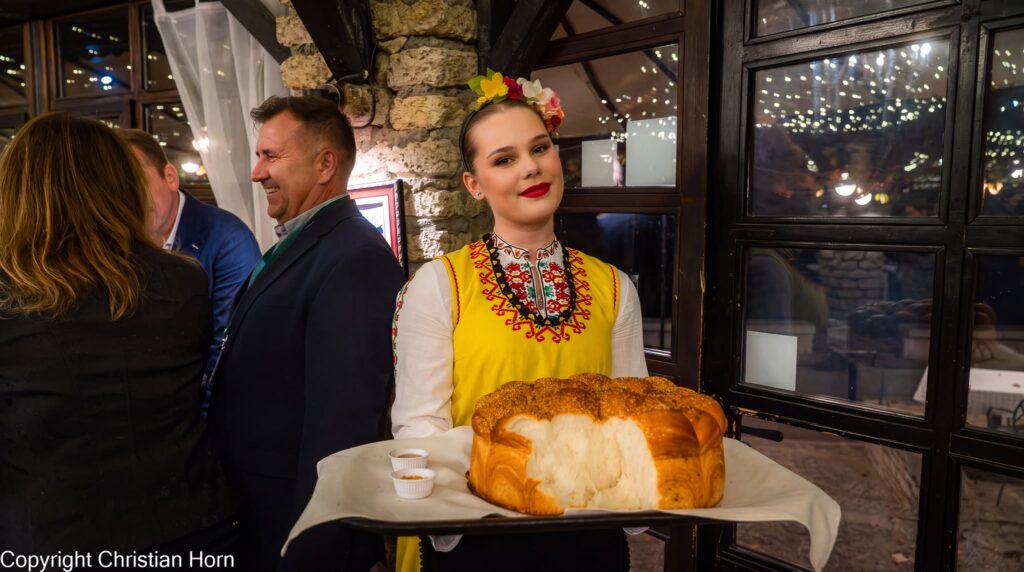
A particularly significant moment of the event was the symbolic handover of the international Peace Bread initiative to Lithuania, which will host the initiative’s event in 2027.
Different Countries, Shared Agricultural Challenges
The conference devoted considerable attention to the competitiveness, sustainability and resilience of Europe’s agricultural sector. Discussions highlighted the need to find solutions that would help farmers adapt to climate change, introduce innovations, reduce bureaucratic burdens and ensure the continuity of their activities.
Another important topic was the opportunities available to young farmers and their role in shaping future agricultural policy. Participants emphasised that decisions directly affecting farmers must be made with the active involvement of farmers themselves.
Monika Sadauskaitė Pocė noted that international meetings provide valuable opportunities to understand not only the experiences of different countries but also the challenges shared by rural communities across Europe.
“Different countries, yet remarkably similar challenges. What impressed me most was the perspective of young farmers and a simple but extremely important message: nothing about farmers without farmers themselves. I was once again reminded that a strong countryside is about much more than agriculture. It is about people, family businesses, traditions and communities,” said M. Sadauskaitė Pocė.
According to her, strengthening the competitiveness of rural areas requires a broader perspective, ensuring not only the economic viability of farms but also quality of life, active communities and opportunities for young people to build their futures in the countryside.
Cooperation Among Young Farmers: An Investment in the Future
Jonas Ivanauskas, a Board Member of the Lithuanian Young Farmers and Youth Union, placed particular emphasis on networking with young farmers from other European Union countries.
Such meetings provide opportunities to compare farming experiences in different countries, discuss current challenges and explore possibilities for cooperation.
“One of the greatest benefits of this conference was the opportunity to establish valuable connections with young farmers from other European Union countries. Although we operate under different conditions, we face very similar challenges, ranging from bureaucracy and increasing requirements to farm modernisation and generational renewal. Direct communication allows us to share practical solutions, learn from one another and build relationships that may develop into joint initiatives in the future,” said J. Ivanauskas.
The participation of young farmers in international dialogue is particularly important to ensure that their needs and expectations are heard when shaping the future of European agriculture.
Such meetings also strengthen solidarity among young farmers and encourage their more active involvement in agricultural self-governance and representative organisations.
Peace Bread: More Than a Symbol
The international Peace Bread initiative brings European countries together, highlighting the importance of peace, freedom, solidarity and unity.
Within this initiative, bread serves as a universal symbol connecting the land, human labour, historical memory and responsibility towards future generations.
The initiative promotes international cooperation, dialogue among agricultural communities from different countries and a shared commitment to building a peaceful, sustainable and vibrant Europe.
Against the backdrop of today’s geopolitical, economic and climate-related challenges, the message of Peace Bread has acquired particular significance. It reminds us that agriculture is not merely an economic activity but also a foundation of food security, social stability and national resilience.
Peace Bread Comes to Lithuania in 2027
One of the most meaningful moments of the conference in Bulgaria was the symbolic handover of the Peace Bread initiative to Lithuania.
This represents an important opportunity for Lithuania to showcase its agricultural sector, farming community, rural traditions and accumulated experience to international partners.
“The symbolic handover of the Peace Bread initiative to Lithuania was a particularly special moment of this visit. It is not only an honour but also an opportunity to bring European partners together in our country in 2027 for meaningful dialogue on peace, agriculture and the future of rural areas. I return from Bulgaria with new connections, fresh ideas and even greater motivation to work towards a vibrant Lithuanian countryside,” shared M. Sadauskaitė Pocė.
The event to be held in Lithuania will provide an opportunity to strengthen international partnerships, exchange good practices and once again highlight the role of agriculture and rural communities in building a secure and sustainable future for Europe.
The Chamber of Agriculture of the Republic of Lithuania values the opportunity to participate in the international Peace Bread initiative and contribute to dialogue that connects European farmers, strengthens cooperation and encourages the search for common solutions.
Because a strong countryside begins with people, and peace begins with the ability to listen, understand and act together.