
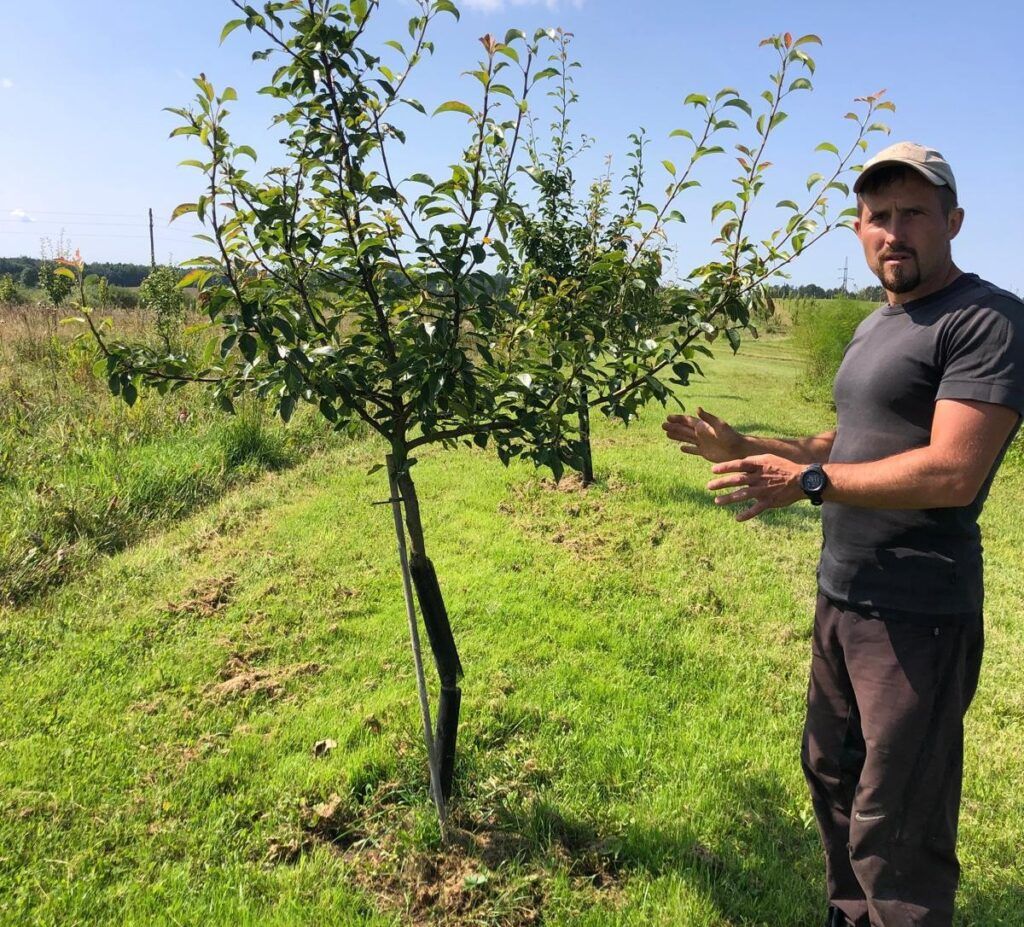
The Chamber of Agriculture of Lithuania is implementing an important innovative project aimed at increasing plant resilience to drought and other adverse environmental factors, while ensuring more sustainable and competitive development of crop production in Lithuania.
The project is being implemented under the Lithuanian Agriculture and Rural Development Strategic Plan 2023–2027 measure “European Innovation Partnership for Agricultural Productivity and Sustainability” (EIP). Its title is “Application of impact systems to increase plant resistance to drought and other adverse environmental factors, restore vegetation, and support yield formation.”
Addressing a pressing challenge
The project focuses on one of the most significant challenges today – the impact of climate change on agriculture. Due to increasing droughts, heavy rainfall, frosts, and other extreme weather events, farmers are experiencing major losses: declining yields, reduced product quality, and increased economic risks.
To address this issue, the project will develop and practically test innovative technologies that help plants better adapt to challenging environmental conditions.
Innovative solution – a synergy of science and practice
The core of the project is a biotechnological approach, which includes:
- soil treatment with calcium-based products
- use of microbial biostimulants
- plant spraying during growth and yield formation stages
This method not only increases plant resistance to drought but also:
- optimizes plant growth and development
- improves crop quality
- reduces the use of chemical fertilizers by up to 30%
The project is based on the latest scientific research and experimental results, demonstrating that the combination of calcium and biostimulants can significantly improve plant resistance to stress.
Partnership as the key to success
The project is implemented by a broad partnership combining science and practice. It includes the Nature Research Centre as well as farmers and agricultural enterprises from different regions of Lithuania.
Such cooperation enables:
- testing innovations under real farm conditions
- ensuring practical applicability of results
- faster dissemination of advanced knowledge among farmers
Project scope and duration
The total value of the project exceeds EUR 208,000, of which EUR 200,000 is funded through support measures.
The project started in 2024 and is planned to be completed in April 2027.
Benefits for farmers and the environment
The project is intended for farms across all crop production sectors – cereals, vegetables, and berries. Its results will help:
- increase farm resilience to climate change
- reduce production costs
- improve product quality
- strengthen farm competitiveness
In addition, innovative solutions will contribute to environmental protection by reducing the use of chemicals and promoting more sustainable use of soil and water resources.
Dissemination of results for the farming community
During the project, demonstration events will be organized, and dissemination materials will be prepared in Lithuanian and English. The results will be publicly available to ensure that as many farmers as possible can benefit from them.
This project represents another step towards a more modern, sustainable, and climate-resilient agricultural sector in Lithuania, where innovation becomes not a choice, but a necessity.